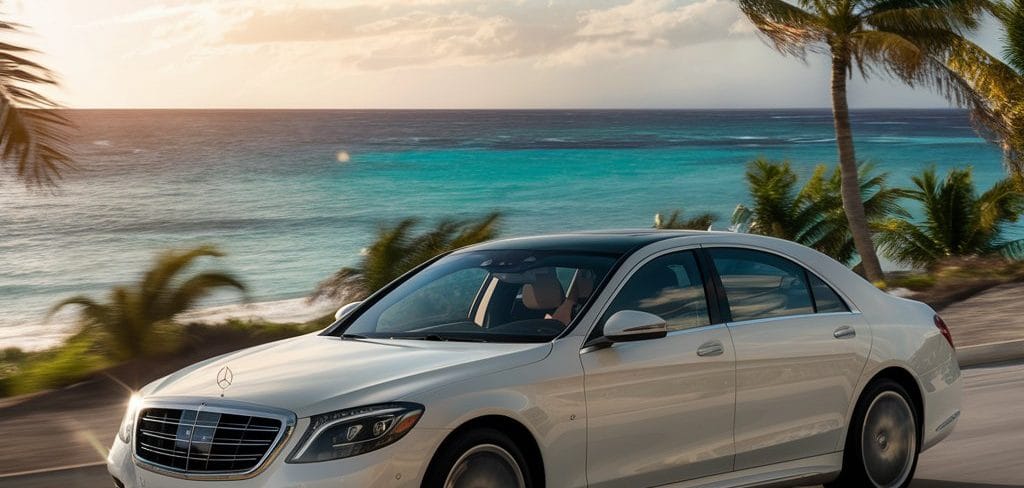
How to Get from Punta Cana Airport to Azua
If you are traveling to Azua, you are heading to a province of dramatic contrasts. From the historic battlegrounds where the nation’s independence was secured to the hidden turquoise waters of Playa Blanca and the lush vineyards of the Ocoa Bay, Azua is for the traveler who wants to see the “other” Dominican Republic—wild, arid, and breathtakingly beautiful.


The journey from Punta Cana International Airport (PUJ) to Azua spans approximately 280 kilometers (175 miles). This guide details the best way to cross from the East to the Southwest and why a private transfer is the only way to ensure a seamless arrival.
Why CanaCar is the Best Way to Reach Azua
The route to Azua involves navigating the entire southern coastline and the metropolitan traffic of Santo Domingo. For American travelers, CanaCar tranfers provides a sophisticated, high-end solution:
1. The “Santo Domingo Bypass” advantage: To reach the South, you must pass the capital. Our professional drivers use the Circunvalación de Santo Domingo, a modern toll road that allows you to skip the city’s heavy traffic, saving you over an hour of travel time.
2. Long-distance comfort: A 4-hour drive requires a premium vehicle. Our fleet consists of modern SUVs and vans with superior suspension and powerful A/C, essential for the warmer, drier climate of the South.
3. Safety and reliability: The road to Azua (the Sánchez Highway) involves mountain passes and rural stretches. Our drivers are experts in long-haul safety, providing a secure and smooth ride from the airport tarmac to your final destination.
4. All-Inclusive logistics: The journey involves multiple tolls. With CanaCar, all fees are included in your fixed rate—no need to worry about local currency or GPS errors in rural areas.
The Route: from the Atlantic to the deep south
The drive to Azua is a fascinating cross-country journey through the most diverse landscapes of the island.
The logistics
Main roads: Your driver will exit PUJ and take the Autovía del Este (Route 3). After bypassing Santo Domingo via the Circunvalación, you will merge onto the Carretera Sánchez (Route 2), the primary artery leading to the southern provinces.
Towns passed: You will cruise through San Pedro de Macorís, the northern edge of Santo Domingo, San Cristóbal, and Baní before entering the province of Azua.
Journey time: Under normal traffic conditions, the trip takes approximately 3 hours and 45 minutes to 4 hours.
The scenery: from tropical greens to desert gold
This route offers one of the most unique visual transformations in the Caribbean.
The sugar and sea corridor
The first half of the trip is defined by the lush sugarcane fields of the East and the crashing waves of the Caribbean Sea along the Las Américas highway.
The Baní transition
As you pass through Baní, the scenery shifts dramatically. The air becomes drier, and the landscape begins to resemble a Mediterranean or desert environment. You will see salt flats, cactus-lined hills, and the famous sand dunes of the South in the distance.
The Ocoa Bay Vistas
As you approach Azua, the road offers stunning views of the Bahía de Ocoa. The mountains meet the sea in a rugged, beautiful embrace, and the light here has a golden, desert-like quality that is a photographer’s dream.
Taking the Bus: public transportation from Punta Cana to Azua
Traveling from Punta Cana to Azua by bus is possible but requires a high level of coordination, as there is no direct “East-to-South” commercial line. You will need to “hub” through Santo Domingo.
Step 1: Punta Cana to Santo Domingo
Bus Line: Expreso Bávaro.
Departure: The main terminals in Friusa or Verón.
Travel Time: Approximately 3 hours.
Arrival: You will arrive at the terminal on Calle Juan Sánchez Ramírez in the National District.
Step 2: Transfer to the Southern Terminal
The Connection: You must take a 15-20 minute taxi or Uber across town to the Pintura area (West Santo Domingo) or the Av. Duarte station area, where the southern bus lines are located.
Step 3: Santo Domingo to Azua
Bus Line: ASODUCA (Asociación de Dueños de Camiones y Autobuses de Azua).
Bus Number/Type: Look for the “Expreso” units labeled Santo Domingo-Azua.
Stops: Major stops include Baní and the town of Hatillo before reaching the Azua terminal.
Travel time: Approximately 2 hours from the capital.
Total journey time: Between transfers, waiting for departures, and city traffic, the total trip via bus can take 6 to 7 hours.
Expert Recommendations: Pit Stops and Highlights
Where to Eat: authentic flavors
D’Luis Parrillada (Baní): A mandatory stop for “Chivo Liniero” (goat) or traditional Dominican roasted meats.
Dulcería Las Marías: Located in Baní, this is the most famous sweet shop in the country. You must try their Dulce de
Leche or Paila before continuing to Azua.
Photo opportunities: The South’s majesty
The “Número” Pass: The winding mountain road between Baní and Azua offers a spectacular panoramic view of the Ocoa Bay.
Plaza Juan Pablo Duarte: Located in the center of Azua, this historic square commemorates the city’s role in Dominican independence.
Where to rest
Toll Plaza Service Stations: The Autovía del Este and the Sánchez Highway have modern rest areas—perfect for a quick stretch and a cold drink midway through the journey.
Final tips for your Azua adventure
Climate awareness: Azua is one of the sunniest and driest provinces in the country. While it’s beautiful, the sun can be intense. Ensure you have sunglasses and sunblock ready.
The “Secret” beaches: If you are heading to a remote villa or a beach like Playa Caobita, ensure you provide the exact coordinates to CanaCar.com. Some of these gems are tucked away on rural roads that our drivers know perfectly.
Vineyards in the tropics: If you have time, ask your driver about a stop at Ocoa Bay, the first resort-vineyard in the Caribbean, located right on the border of Azua.
Discover the untamed beauty of the South with the reliability of a leader.
Book your private, long-distance transfer from Punta Cana to Azua with CanaCar.com today!
 ❮ Previous articleHow to get from Punta Cana to Juan Dolio